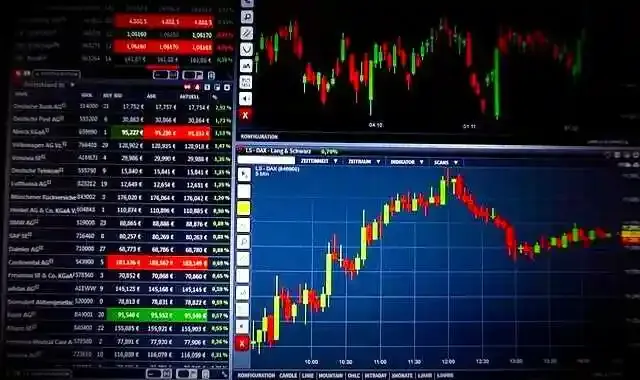
Forex, short for foreign exchange, is the global marketplace for trading currencies and other assets like metals, oil, and commodities. Traders make profits by leveraging the difference in exchange rates between one currency and another.
While the literal meaning of forex refers to foreign currency exchange, in practice it also includes trading various financial instruments such as gold, silver, crude oil, and other commodities.
The Global Forex Market
The forex market operates 24 hours a day, five days a week, connecting major financial centers around the world:
New York, USA
London, UK
Sydney, Australia
Tokyo, Japan
Market Hours (Makkah Time):
Opens: Monday, 1:00 a.m. (Sunday, 10:00 p.m. GMT)
Closes: Saturday, 1:00 a.m. (Friday, 10:00 p.m. GMT)
Closed on Sundays
During off-hours, trade orders can still be placed but are not executed until the market reopens.
How Does Forex Trading Work?
To start trading, you must first:
Select a reputable brokerage firm and open an account.
Deposit the required margin (investment capital) into your brokerage account.
Begin trading online through a computer, tablet, or smartphone with internet access.
All transactions occur through electronic trading platforms that connect buyers and sellers across the global market.
Is Forex Safe?
The trustworthiness of forex trading has often been questioned, especially after the collapse of several cryptocurrency markets. However, unlike cryptocurrencies, forex is a regulated market.
Forex became more legally structured and transparent around mid-2011, following increased oversight and regulation by financial authorities such as the Capital Markets Board (CMB). These measures helped strengthen investor confidence.
Still, the need for an intermediary broker remains a point of caution — as the reliability of your transactions depends heavily on the credibility of your broker.
How to Choose a Reliable Forex Broker
Unfortunately, there’s no single guarantee of safety in forex trading, as all technology-driven markets carry risks. However, you can take several steps to protect yourself:
Verify regulation: Ensure the broker is licensed by a well-known authority such as the FCA (UK), ASIC (Australia), or CFTC (USA).
Check reputation: Read verified client reviews and independent assessments.
Transparency: Reliable brokers provide clear information about fees, spreads, and risk disclosures.
Security: Use brokers offering two-factor authentication and strong data protection.
Customer support: Ensure quick, reliable, and multilingual assistance.
In Summary
Forex is a legitimate and highly liquid global market, but like all investment platforms, it requires knowledge, caution, and due diligence.
A well-regulated broker, sound strategy, and disciplined trading approach are essential for a safe and profitable trading experience.


